Cost-Saving Tips for Buying and Selling Real Estate
Real estate is one of the biggest financial decisions many people make. Whether you are buying a home, selling a property, or preparing for your next move, small cost-saving decisions can make a meaningful difference.
Saving money in real estate is not always about choosing the cheapest option. It is about understanding your expenses, planning ahead, comparing choices, and avoiding unnecessary costs.
Start With a Realistic Budget
A clear budget is one of the most important steps in a real estate transaction. Buyers should consider more than the purchase price. Monthly mortgage payments, property taxes, insurance, maintenance, utilities, and closing costs can all affect the overall cost of homeownership.
Sellers should also create a realistic estimate of their selling expenses. Preparing for potential repairs, marketing costs, closing expenses, and moving costs can help prevent unexpected financial pressure.
Compare Mortgage Options
For buyers, financing can significantly impact the total cost of purchasing a home. Comparing available mortgage options, interest rates, loan terms, and associated fees can help you understand the true cost of borrowing.
A slightly different interest rate or loan structure can affect monthly payments and the amount of interest paid over time. It is important to review the full terms of a loan rather than focus on a single number.
Avoid Unnecessary Home Improvements
If you are preparing to sell, you may not need to complete a major renovation. Some improvements can provide a noticeable difference without requiring a large investment.
Cleaning, decluttering, improving lighting, touching up paint, and addressing minor maintenance issues can help present a home in its best condition. Before starting an expensive project, consider whether the improvement is likely to provide enough value to justify the cost.
Plan for Closing Costs
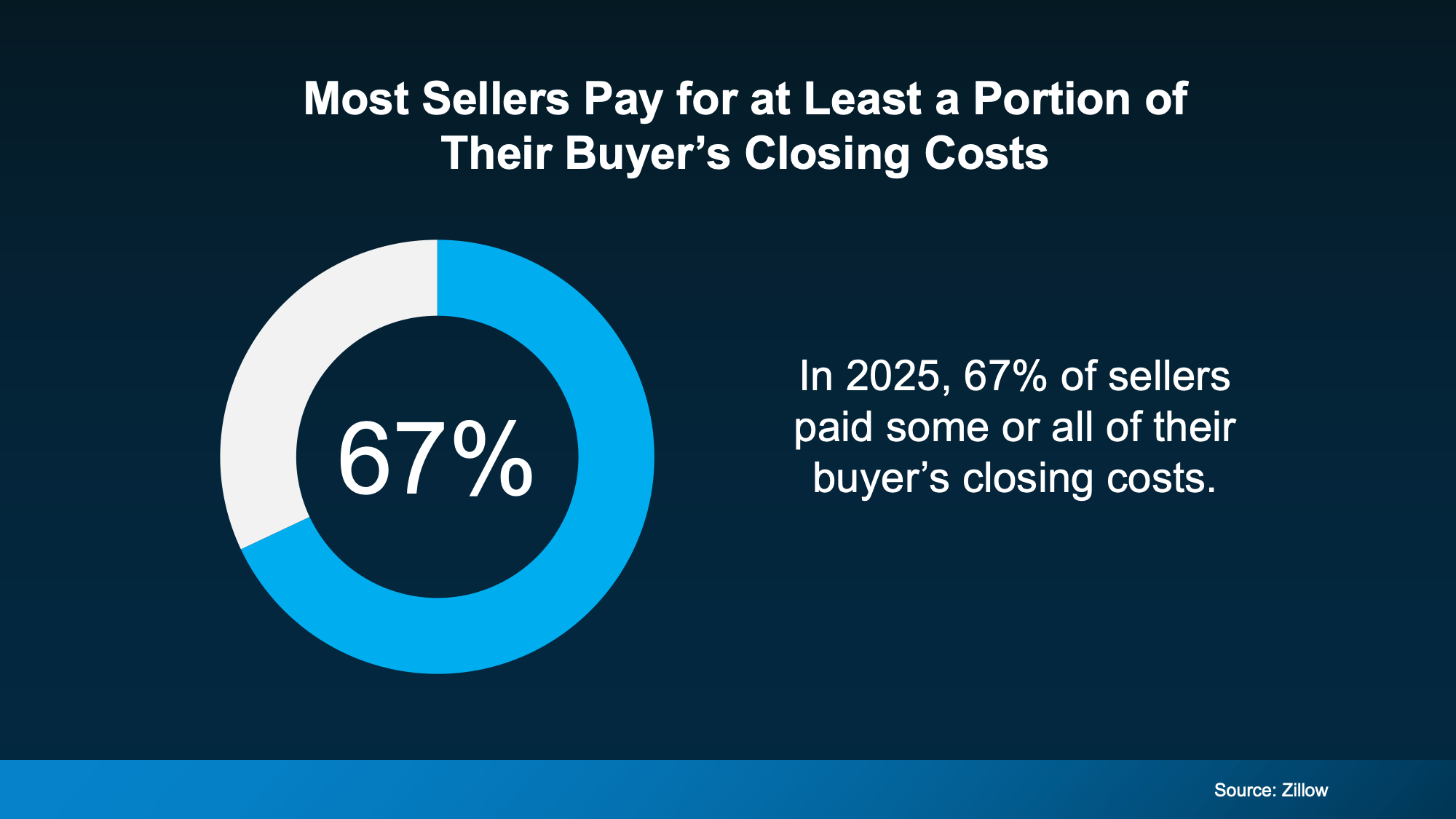
Closing costs can include several expenses associated with completing a real estate transaction. Buyers and sellers may have different costs depending on the transaction, location, financing, and terms of the agreement.
Understanding these expenses early can make budgeting easier. Ask for a detailed estimate of expected costs and review the numbers carefully before making financial commitments.
Keep Maintenance Costs in Mind
A property’s purchase price is only one part of the long-term financial picture. Maintenance and repairs can become significant expenses, especially when a property has aging systems or deferred maintenance.
Before purchasing a home, consider the condition and expected lifespan of major components such as the roof, heating and cooling system, plumbing, electrical systems, windows, and appliances. Understanding potential future costs can help you make a more informed decision.
Consider Energy Efficiency
Energy-efficient features may help reduce ongoing household expenses. Depending on the property, improvements such as efficient appliances, insulation, windows, lighting, and heating and cooling systems may lower energy use.
When comparing homes, consider both the purchase price and potential operating costs. A home with reasonable ongoing expenses may provide better long-term value than a property that appears less expensive initially.
Price a Home Carefully
For sellers, pricing a property appropriately from the beginning can help avoid unnecessary costs associated with a prolonged listing. An accurate pricing strategy can attract more qualified buyers and reduce the need for repeated price adjustments.
Pricing should be based on relevant market data, property condition, location, and current buyer demand. A real estate professional can help provide a market analysis and explain the factors that influence a property’s value.
Think About Timing and Negotiation
Timing can affect the costs and opportunities involved in a real estate transaction. Buyers may benefit from carefully evaluating available properties and negotiating based on the property’s condition and market circumstances.
Sellers can also benefit from understanding current buyer expectations and preparing the property before listing. Good preparation can create a stronger position during negotiations.
Work With the Right Professionals
Trying to save money by avoiding professional guidance can sometimes create additional costs. Real estate transactions involve contracts, financing, inspections, disclosures, taxes, and other important details.
Working with qualified professionals can help you understand the process, identify potential issues, and make informed decisions. The right support can be especially valuable when a transaction involves complex financial or property considerations.
Focus on Long-Term Value
The lowest upfront cost is not always the best financial choice. A property with fewer immediate expenses may require more maintenance later, while a slightly higher initial investment may provide better efficiency, functionality, or condition.
Think beyond the transaction itself. Consider how a decision could affect your monthly expenses, maintenance needs, resale potential, and overall financial goals.
Final Thoughts
Cost-saving in real estate starts with planning. Whether you are buying or selling, understanding the full range of expenses can help you avoid surprises and make more confident decisions.
Create a realistic budget, compare financing options, prioritize practical improvements, review closing costs, and consider long-term expenses. Small decisions made carefully can add up to meaningful savings throughout the real estate process.