
by Denise Olivares-Molina | Jun 15, 2026 | Advice for Sellers, Cost-Saving Tips, Costs, For Sellers, Pricing, Pricing Strategy, Real Estate Finances, Seller, Sellers, Selling A Home, Selling Myths, Selling Tips, Tips for Sellers, Weekly
A few years ago, sellers could get away with saying “no” to just about everything.
No repairs.
No concessions.
No negotiation.
If buyers wanted the house, they pretty much had to take it on the seller’s terms. But now that inventory’s grown, negotiations are becoming a normal part of the process again.
That’s why one of the most important things sellers need to understand right now is this:
The goal isn’t to “win” every negotiation.
Sometimes, it’s worth meeting buyers where they are to get a deal done, fast. One example? Helping with a buyer’s closing costs.
Let’s break that down, so you know what to expect if it comes up in your sale.
What Are Buyer Closing Costs?
Closing costs are the extra expenses buyers pay on top of their down payment when they purchase a home. Freddie Mac gives some examples:
Typically, buyer closing costs range from about 2% to 5% of the home’s purchase price. So, on the typical $400,000 home, that could mean anywhere from $8,000 to $20,000 out of pocket.
And in today’s affordability-challenged market, that upfront cash can be a major hurdle for some buyers – even if they can comfortably afford the monthly mortgage payment itself.
That’s why more people are asking sellers for help.
And More Sellers Are Saying “Yes”
According to the latest data from Zillow, 67% of sellers reported paying some or all of the buyer’s closing costs in 2025 (see chart below):
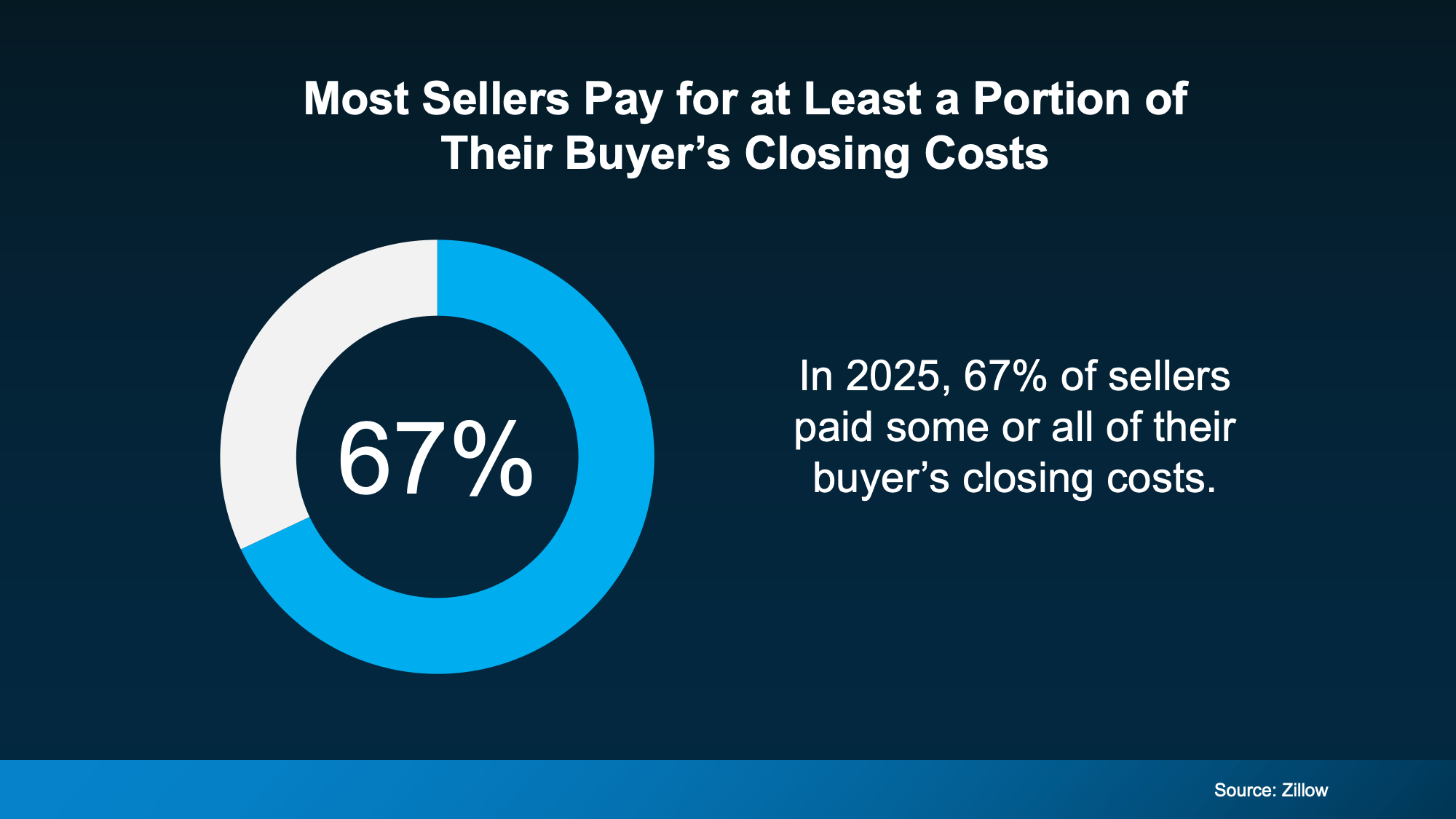
Now, that doesn’t mean every seller is doing it. And it definitely doesn’t mean every seller should. But it does show how common concessions have become as the market has shifted. And that’s important for you to know.
When Paying Closing Costs May Make Sense
This is where many sellers get stuck. They hear “help with closing costs” and immediately think: “Why should I pay for their expenses?”
But that’s not always the right way to look at it. You’ve got to consider who has the leverage in today’s market.
Redfin data shows there are more sellers than buyers active today. And that shifts the market dynamics (see graph below):
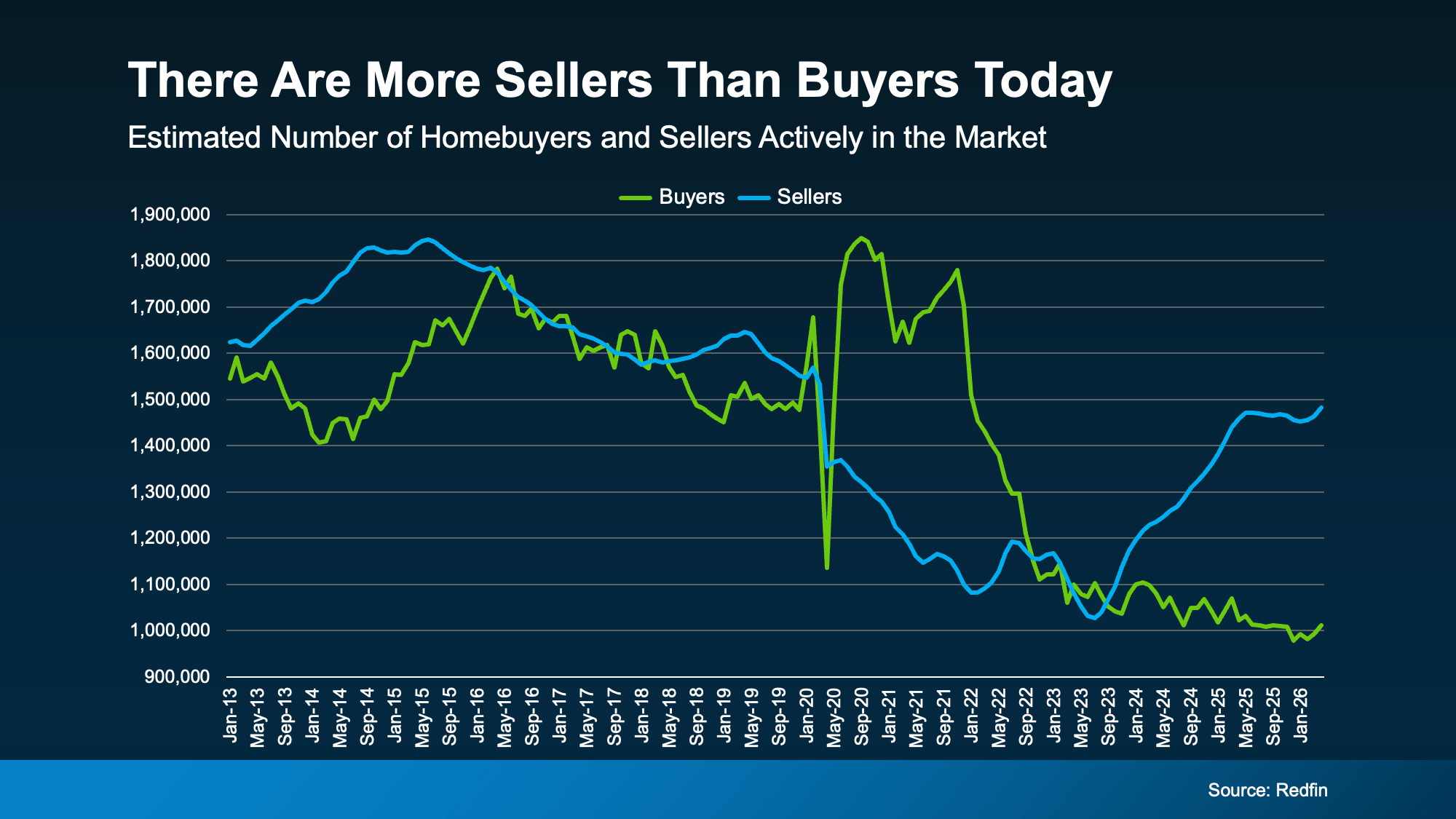
That doesn’t mean every market favors buyers. Far from it. In some areas, homes are still selling quickly and sellers have plenty of leverage. But in others, buyers have more room to negotiate than they’ve had in years.
That’s why local market conditions matter so much when you make your decision.
For example, helping with closing costs may be worth considering if:
-
There are a lot of homes for sale in your area
-
Your house has been sitting on the market longer than expected
-
You’ve had showings, but no offers
-
You’re motivated to move quickly
-
Or you’re trying to keep a deal together during negotiations
After all, if it’s the thing that helps bring a serious buyer across the finish line, it could be well worth it.
Other Concessions You Could Offer Instead
Just remember, being flexible doesn’t mean saying “yes” to every request. It means understanding which compromises actually help you accomplish your goals. Because there are always alternatives.
Redfin suggests considering other concessions if you’re not interested in helping with closing costs, like:
The right answer depends on what buyers in your market are asking for and what matters most to you. That’s exactly why working with an experienced local agent is so important.
Bottom Line
The sellers having the most success today are the ones who understand the market has changed and are adapting to meet it where it is.
Sometimes that means negotiating on closing costs. Sometimes it means offering something else. The key is knowing which concessions are worth it for our local market.
If you’re wondering what’s normal in our area, what’s worth negotiating, and where it makes sense to stand firm, let’s connect.
Thank You For Reading
Denise Olivares-Molina

by Denise Olivares-Molina | Apr 27, 2026 | 2026 Housing Market, Advice for Sellers, Costs, Economy, For Sellers, Home Prices, Home Selling Strategy, Homeowner Information, Housing Market, Housing Market Updates, Interest Rates, Real Estate Goals, Real Estate Investing, Real Estate Market, Real Estate Trends in 2026, Seller, Sellers, Selling A Home, Selling Myths, Selling Tips, Weekly
There’s a lot of uncertainty right now and that’s leading to some dramatic headlines. And if you’re thinking about buying a home, that can make you feel a little less sure about your decision.
A recent study by CNBC asked homebuyers what they’re most worried about, and three themes kept coming up again and again:
- Mortgage rates
- The number of homes for sale
- Home prices
But a lot of what you may be hearing on those is based more on misconceptions. Not facts. So, let’s break it down and separate fact from fiction.
Misconception #1: “I’ll Just Wait, Because Mortgage Rates Are Going To Fall Dramatically”
One idea doing its rounds on social is that mortgage rates are going to drop dramatically soon. So, it’s better to wait to buy.
But is that really what’s expected?
While mortgage rates have come down a bit in the last few weeks, forecasts don’t show a major drop ahead. The most likely scenario is that rates stay somewhere in the low 6% range this year.
And that’s not a big change from where rates are now (see graph below):
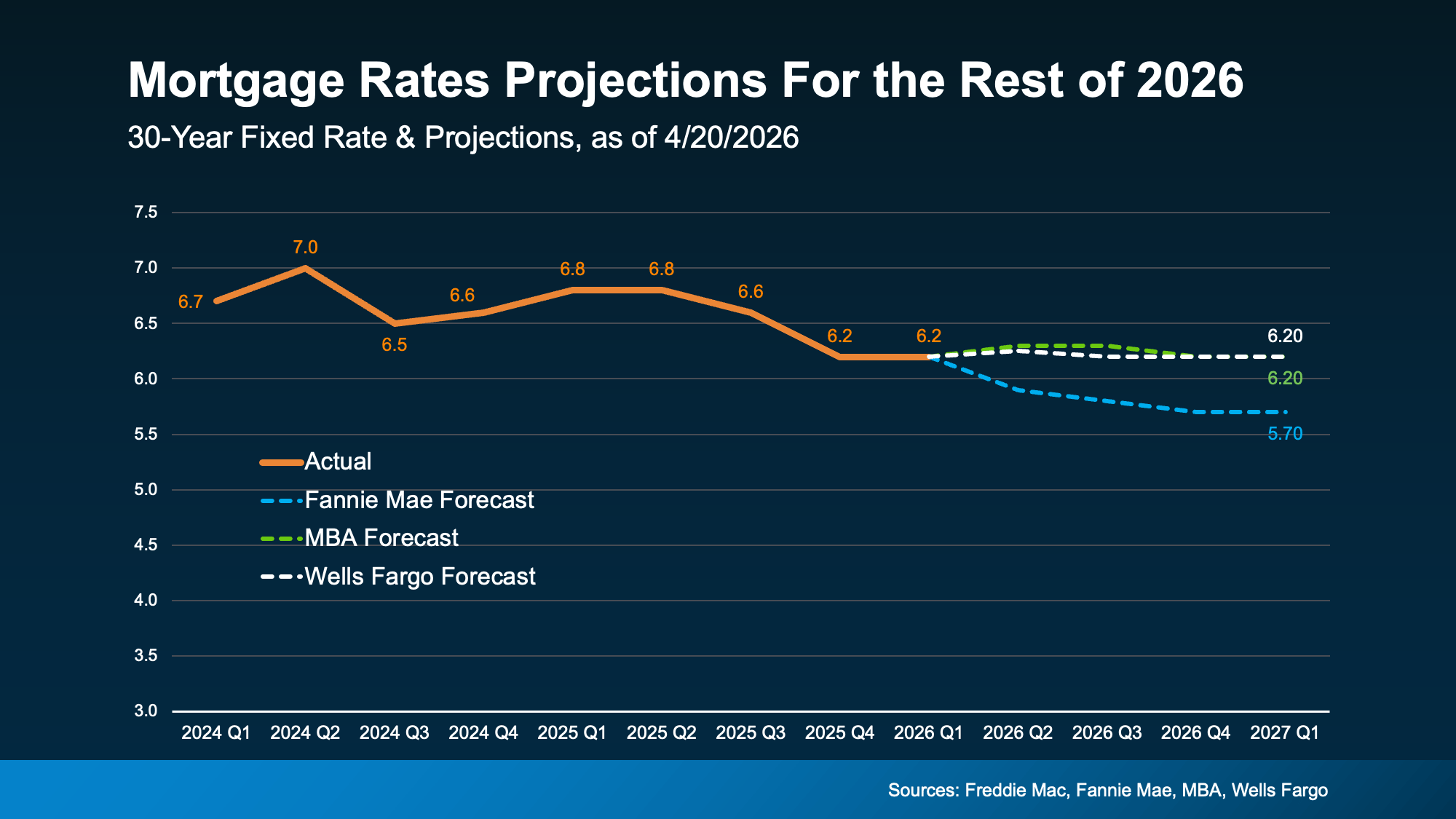 Of course, this depends on where inflation and the economy go from here. But, based on what we know today, waiting for a big drop in rates may not work out the way some people hope. As U.S. News explains:
“Mortgage rates aren’t expected to change much over the next several quarters . . .”
Not to mention, even with rates where they are today, it’s already more affordable than a year ago. So, even if they don’t change much, it’s still better than it was.
Misconception #2: “There Are Too Many Homes for Sale Right Now”
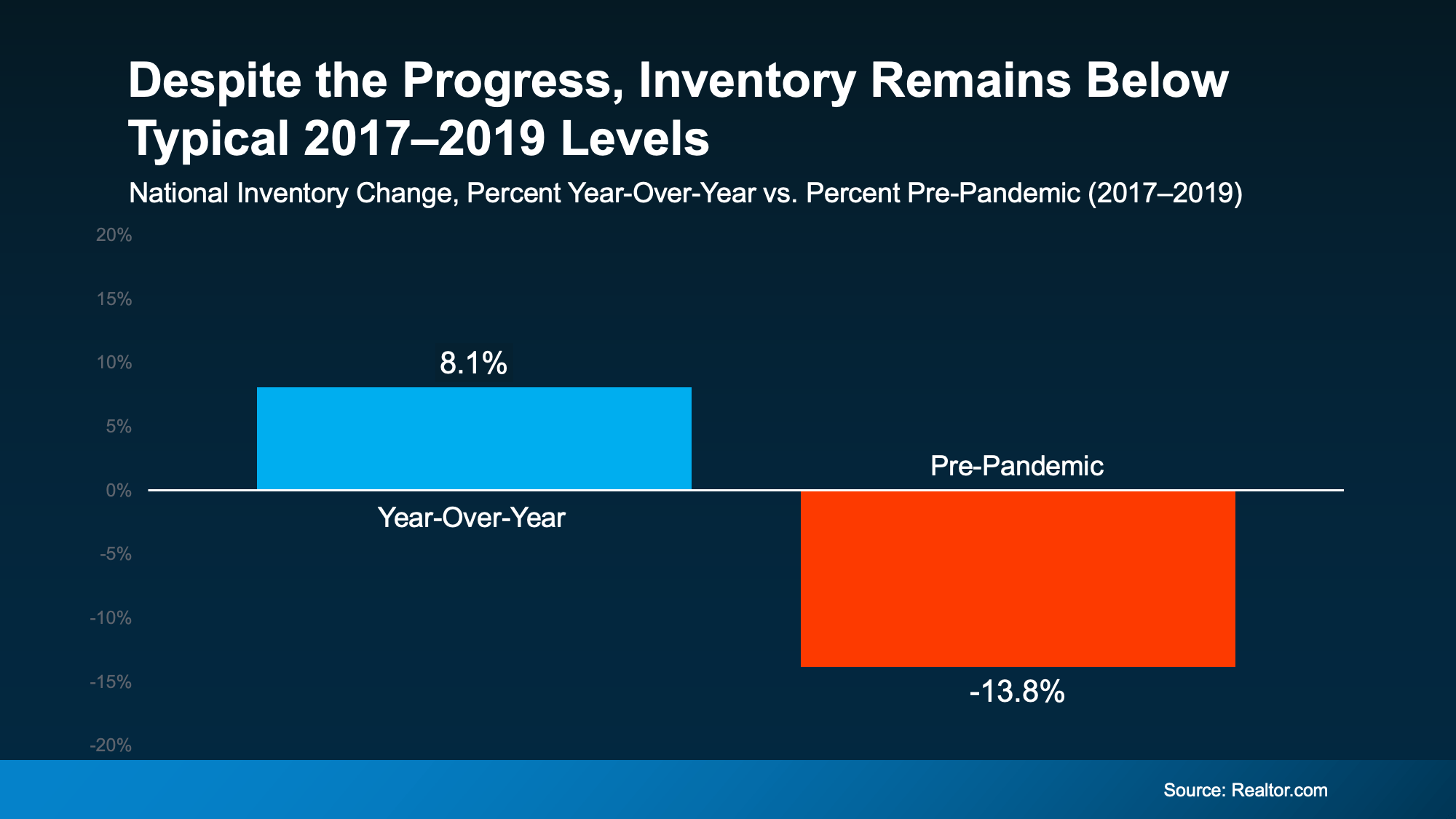
You’ve probably heard inventory is up. And nationally, it is. The number of homes for sale is 8% higher than this time last year. But that’s not a bad thing. In fact, it’s one of the reasons buyers have a bit more breathing room right now.
The problem is the headlines are making something good, sound bad. They’re focusing on how this is the most inventory we’ve had since 2019 or how many homes builders are building. And that can make it sound like the number of homes for sale is rising too far, too fast.
But that’s not what the bigger picture shows.
Data from Realtor.com proves that, even though inventory is up compared to last year, it’s still nearly 14% lower than it was during the last normal housing market (2017-2019):
 While it can vary a lot based on where you live, only 9 states have more inventory than pre-pandemic today. That’s a key reason why there still aren’t enough homes for sale to trigger something like the crash back in 2008.
Misconception #3: “Home Prices Are About To Crash”
You’ve probably seen this one, too. The confusion is coming from the fact that some metros are experiencing slight price declines. And influencers are running with that and saying prices are crashing. But that’s not the reality.
Most areas are seeing prices rise, not fall. And that’s because:
- Many homeowners aren’t selling because they don’t want to give up the low mortgage rate they locked in a few years ago. And that’s keeping a lid on how much inventory can grow.
- Since inventory is still below pre-pandemic norms, there aren’t enough homes for sale to cause a price crash.
- And even in markets with more inventory, some sellers are choosing to pull their homes off the market instead of cutting prices.
And those are 3 big reasons prices aren’t headed for a crash.
And even in the markets experiencing mild declines, the drops aren’t enough to cancel out the big gains most homeowners have seen in the last 5 years(see graph below):
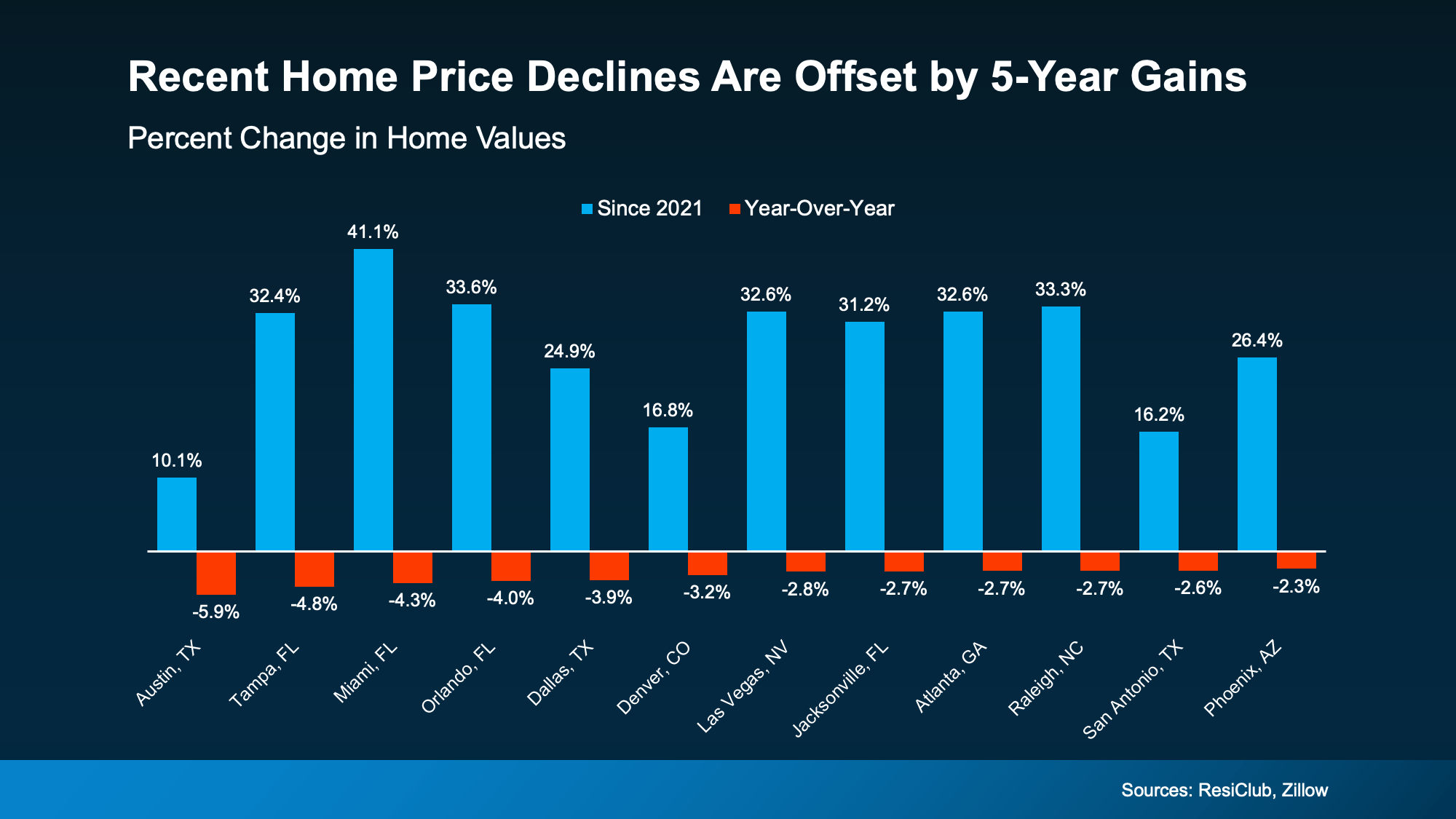 That’s not a crash. That’s just prices moderating after a few record-breaking years.
Bottom Line
Online posts are going to make things sound worse than they are. If you want a true, data-bound look at what’s really happening in today’s market, lean on a real estate agent.
Let’s connect so you have someone to separate fact from fiction today.
Thank You For Reading
Denise Olivares-Molina

by Denise Olivares-Molina | Apr 27, 2026 | Advice for Buyers, Buying A Home, Buying Myths, Buying Tips, Costs, Down Payments, First Time Home Buyers, For Buyers, Real Estate Finances, Weekly
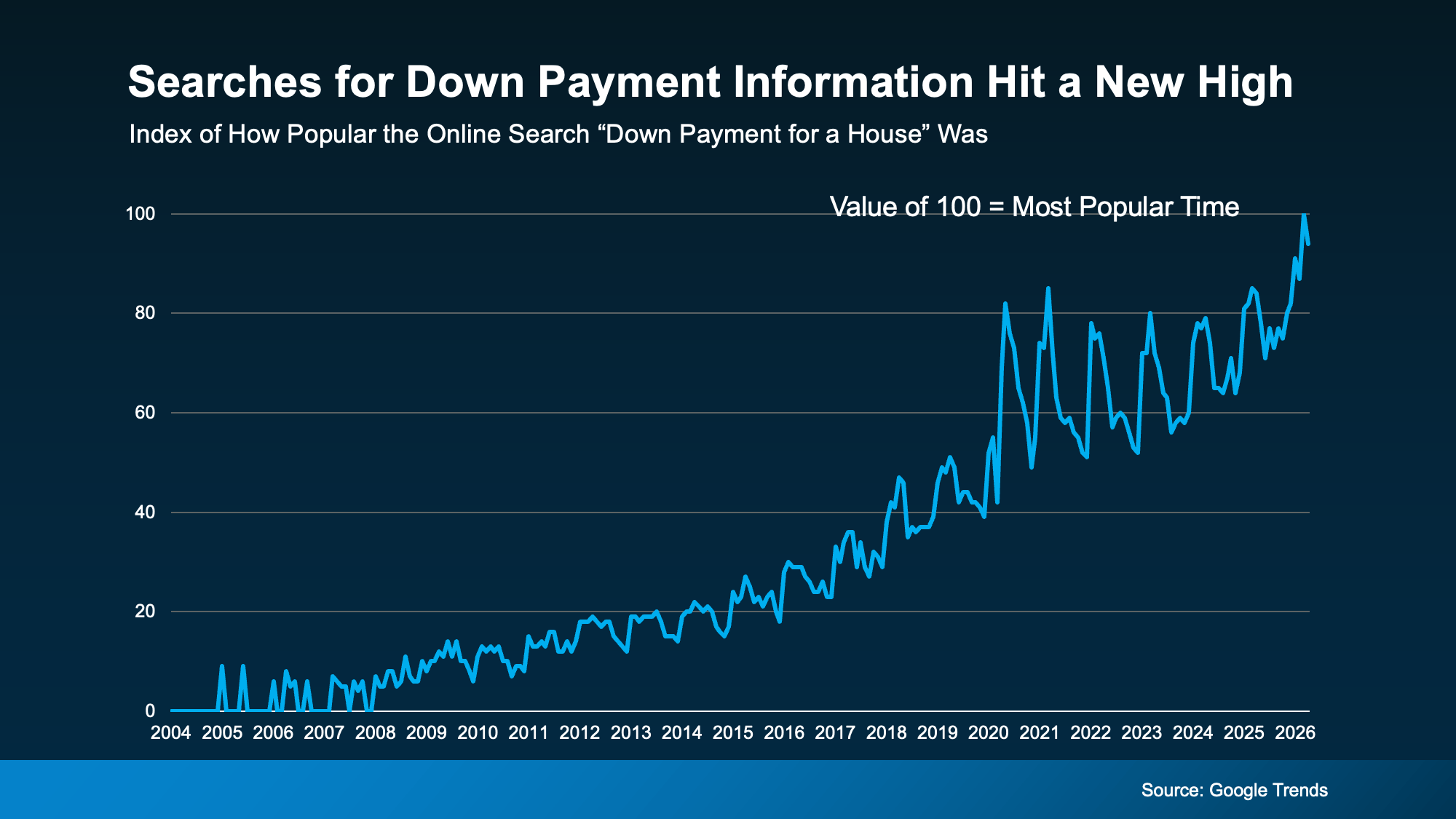
According to Google Trends, online searches for down payment information recently hit an all-time high. And that’s a clear sign more buyers are trying to figure out what they really need to save before making a move (see graph below):
 If you’re wondering the same thing, you can always turn to the internet for answers. But a lot of the time, it’s better to ask a local expert. Because here’s what a pro would tell you.
The 20% Down Payment Myth
The idea that you need 20% down to buy a home is one of the biggest misconceptions around the homebuying process. And the data debunks the myth.
While there are benefits to putting that much money down, most first-time buyers put down far less.
Here’s why. Unless it’s stated by your lender, you typically don’t have to have a 20% down payment. There are even some loan options designed to help you get into a home with a much smaller upfront cost. As the Mortgage Reports explains:
“The amount you need to put down will depend on a variety of factors, including the loan type and your financial goals. If you don’t have a large down payment saved up, don’t worry—there are plenty of options available, and you don’t need to put down the traditional 20% . . . many homebuyers are able to secure a home with as little as 3% or even no down payment at all . . .”
For example, FHA loans allow down payments as low as 3.5%, while VA and USDA loans offer zero down payment options for qualified applicants, like Veterans.
And those options are just one reason so many first-time buyers are able to buy without a 20% down payment.
What Buyers Are Actually Putting Down
So, if buyers aren’t doing 20%, how much do they actually put down?
According to the National Association of Realtors (NAR), the median down payment for first-time homebuyers is only 10%. That’s half of what you probably expected.
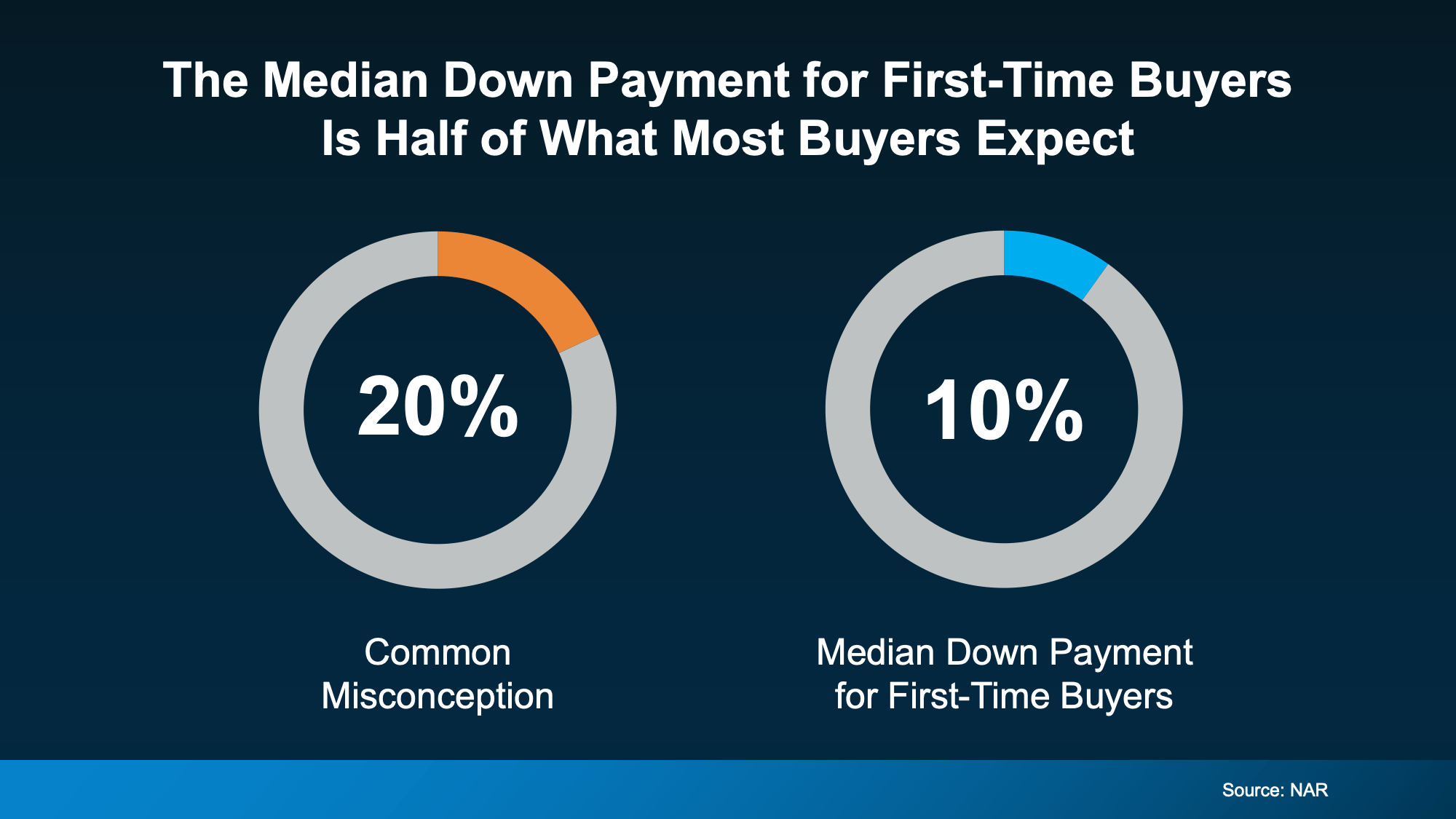 That means if you’re aiming to save 20% because you think you have to, you may be setting a timeline that’s longer than necessary.
And here’s some more good news. It’s not only that you may be able to buy with less money down than you thought, but there are also options to help you get to your down payment goal even faster.
Why You Should Look into Down Payment Assistance Programs
There are a lot of programs designed to help you save for a down payment – and they can make a big difference in how fast you hit your savings target. Unfortunately, buyers don’t realize how many there are, or that they may qualify for help.
Research from Realtor.com showsalmost 80% of first-time homebuyers qualify for down payment assistance (DPA), but only 13% actually use it (see chart below):
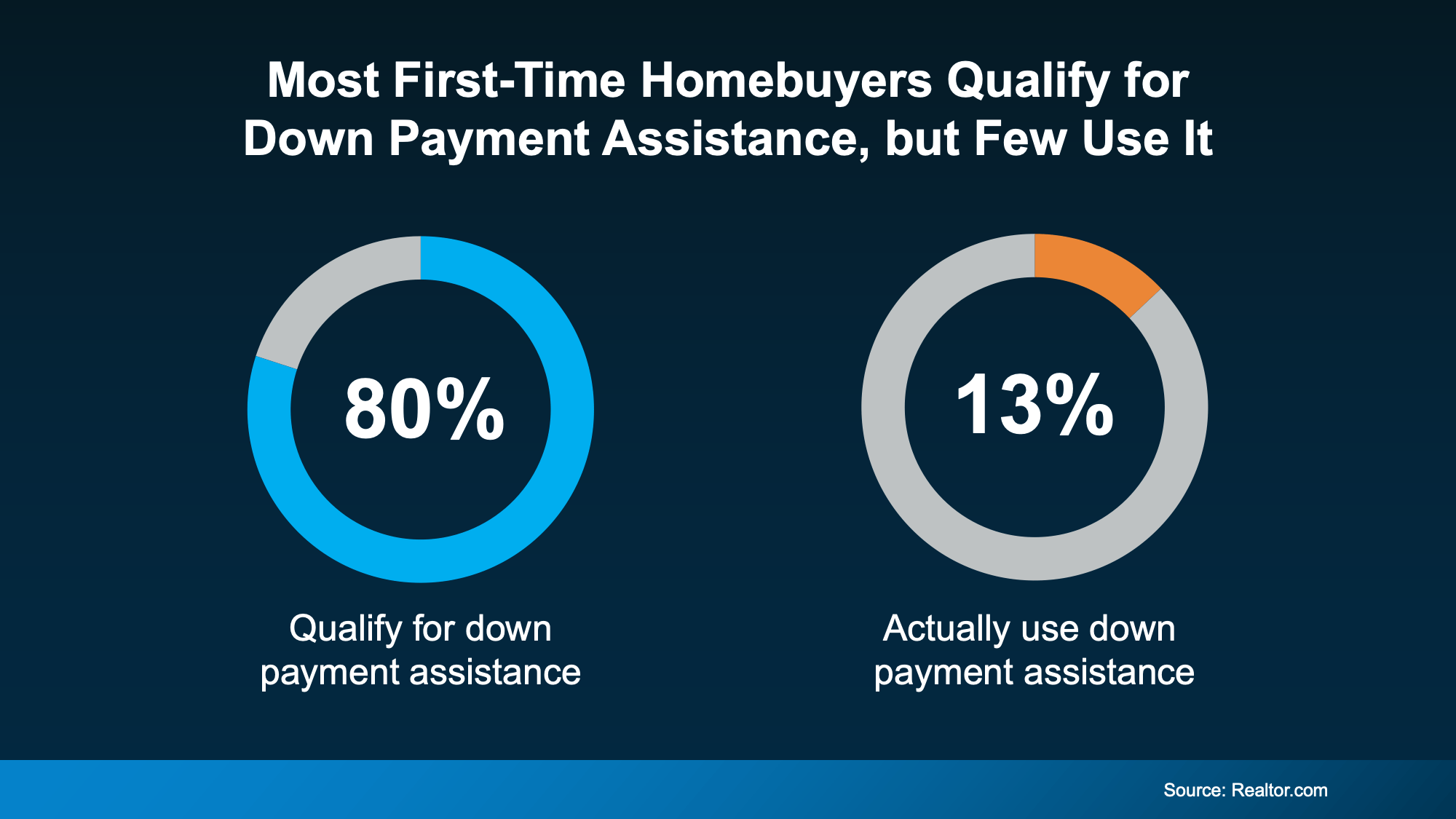 And that’s another big miss holding would-be buyers like you back.
In the U.S., there are over 2,600 homeownership programs available, many offering significant financial support. As Down Payment Resource shares:
“With an average benefit of $18,000, down payment assistance (DPA) remains one of the most essential tools for addressing the nation’s affordability challenges. Programs continue to expand in scope, serving a broader range of incomes, property types and borrower needs, including first-generation, military and repeat buyers.”
Imagine how much further your savings could go with an extra $18,000 you can use to buy. In some cases, you may even be able to stack multiple programs, giving what you’ve saved an even bigger boost.
Bottom Line
The simple truth is: most first-time buyers don’t put 20% down. And if you’ve been waiting to buy until you have that saved, you may be setting a timeline that’s longer than necessary.
To find out what you really need to save and if you qualify for any help, connect with a trusted lender who can walk you through your options. You may be able to buy sooner than you thought.
Thank You For Reading
Denise Olivares-Molina

by Denise Olivares-Molina | Mar 30, 2026 | 2026 Housing Market, 2026 Mortgage Rate, Advice for Buyers, Affordability, Costs, Current Trends, First Time Home Buyers, First-Time Buyers, For Buyers, Home Equity Loans, Home Prices, Home value, Housing Market Shifts, Housing Market Updates, Infographic, Interest Rates, Pricing, Real Estate Finances, Real Estate Market, Real Estate Tips, Real Estate Trends in 2026, Weekly
Mortgage rates have been volatile lately. And if you’re thinking about buying a home, that can make it harder to plan. But there are still things you can do to get the best rate possible in today’s market. It starts with having the right information.
So, what’s causing the bumps in rates? And what can you do about it? Let’s break it down.
Mortgage Rate Volatility Is Normal
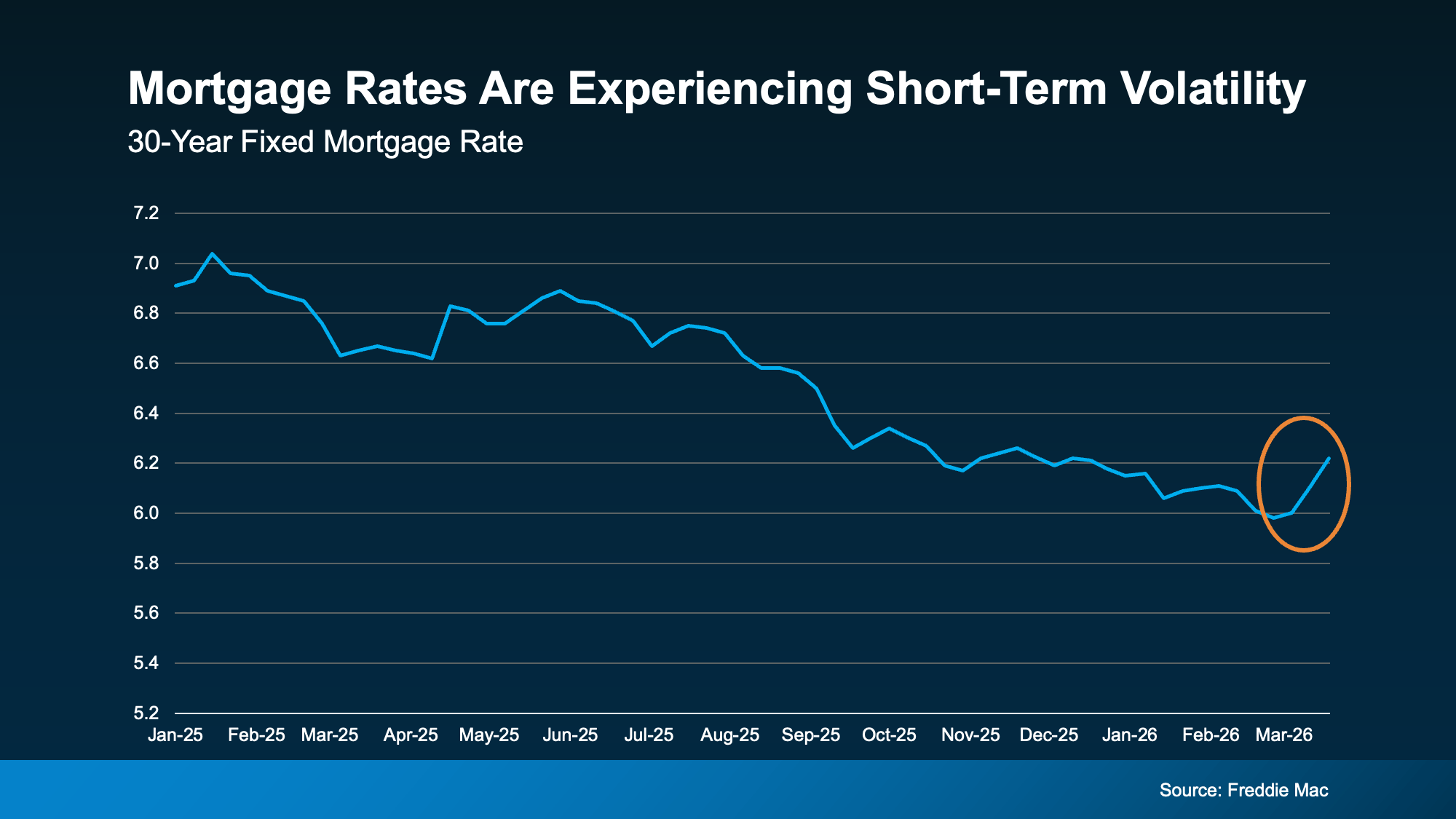
Data from Freddie Mac shows the recent volatility. After trending down for well over a year, there was a rise this month (see graph below):
While it’s easy to be distracted by the changes, here’s what you need to remember.
It’s normal for rates to bounce around a bit here and there. For example, if you look back at the graph, you’ll see that even within the past year there have been times like this when rates inched up. We’re in one of those moments right now and you need to be aware of that.
Especially when there’s economic uncertainty or big global events happening, volatility like this is expected. As Investopedia explains:
“Mortgage rates don’t move in isolation. When global events inject uncertainty into financial markets . . . that can ripple through to borrowing . . . mortgage costs can respond quickly to geopolitical developments. As long as uncertainty remains elevated, rate swings may continue.”
And that’s one of the reasons why trying to time the market isn’t a wise move.
You can’t control what happens with mortgage rates. But there are still things you can do to help you get the best rate possible in today’s market. And here’s where to focus your effort.
Your Credit Score
Your credit score plays a big role in the rate you qualify for. Even a small improvement can make a noticeable difference in your monthly payment. As Bankrate puts it:
“Your credit score is one of the most important factors lenders consider when you apply for a mortgage. Not just to qualify for the loan itself, but for the conditions: Typically, the higher your score, the lower the interest rates and better terms you’ll qualify for.”
So, make sure you do what you can to keep your credit score up. If you’re not sure what your score is or how you can improve it, talk to a trusted loan officer.
Your Loan Type
There are also different types of home loans – and each one can have unique requirements, benefits, and rates for qualified buyers. The Consumer Financial Protection Bureau (CFPB) explains:
“There are several broad categories of mortgage loans, such as conventional, FHA, USDA, and VA loans. Lenders decide which products to offer, and loan types have different eligibility requirements. Rates can be significantly different depending on what loan type you choose.”
That’s why it’s so important to explore your options with a lender. You may even want to talk to multiple lenders to see how the options vary.
Your Loan Term
The length of your loan matters too. Most lenders typically offer 15, 20, or 30-year loans. Freddie Mac offers this advice:
“When choosing the right home loan for you, it’s important to consider the loan term, which is the length of time it will take you to repay your loan before you fully own your home. Your loan term will affect your interest rate, monthly payment, and the total amount of interest you will pay over the life of the loan.”
Again, to figure out what makes the most sense for your budget and long-term goals, have a lender walk you through all your options.
Bottom Line
Thinking about buying right now? The best advice is to accept that you can’t control where rates are going to go from here.
What you can do is work with a trusted lender and take steps that’ll help you get the best rate possible.
So, if you want to move today, let’s make it happen. We just need to control the controllables and focus where it counts.
Thank you for reading
Denise Olivares-Molina

by Denise Olivares-Molina | Nov 3, 2025 | Affordability, Agent Value, Buying A Home, Buying Tips, Costs, Housing Market, Housing Market Shifts, Housing Market Updates, Pricing, Real Estate 2025, Real Estate Finances, Real Estate Goals, Real Estate Market, Real Estate Tips, Weekly
If you stepped back from your home search over the past few years, you’re not alone – and you’re definitely not out of options. In fact, now might be the ideal time to take another look. With more homes to choose from, prices leveling off in many areas, and mortgage rates easing, today’s market is offering something you haven’t had in a while: options.
Experts agree, buyers are in a better spot right now than they’ve been in quite a long time. Here’s what they have to say.
Affordability Is Finally Improving
Lisa Sturtevant, Chief Economist at Bright MLS, says affordability is finally starting to turn the corner:
“Slower price growth coupled with a slight drop in mortgage rates will improve affordability and create a window for some buyers to get into the market.”
Mortgage rates have eased from their recent highs, price growth has slowed, and that one-two combo is making homes more affordable than they’ve been in months.
There Are More Homes on The Market
And a big reason prices are easing is because there are more homes on the market. According to the latest from Realtor.com, there are 17% more homes for sale today than there were at this time last year. That means more options, less competition with other buyers, and a chance to find the space that actually works for you.
Lawrence Yun, Chief Economist at the National Association of Realtors (NAR), shares:
“Homebuyers are in the best position in more than five years to find the right home and negotiate for a better price. Current inventory is at its highest since May 2020, during the COVID lockdown.”
Take a look at the numbers.
As Yun notes, inventory is up everywhere. Compared to this time last year, every region of the country has more homes on the market than at this time last year (see graph below):
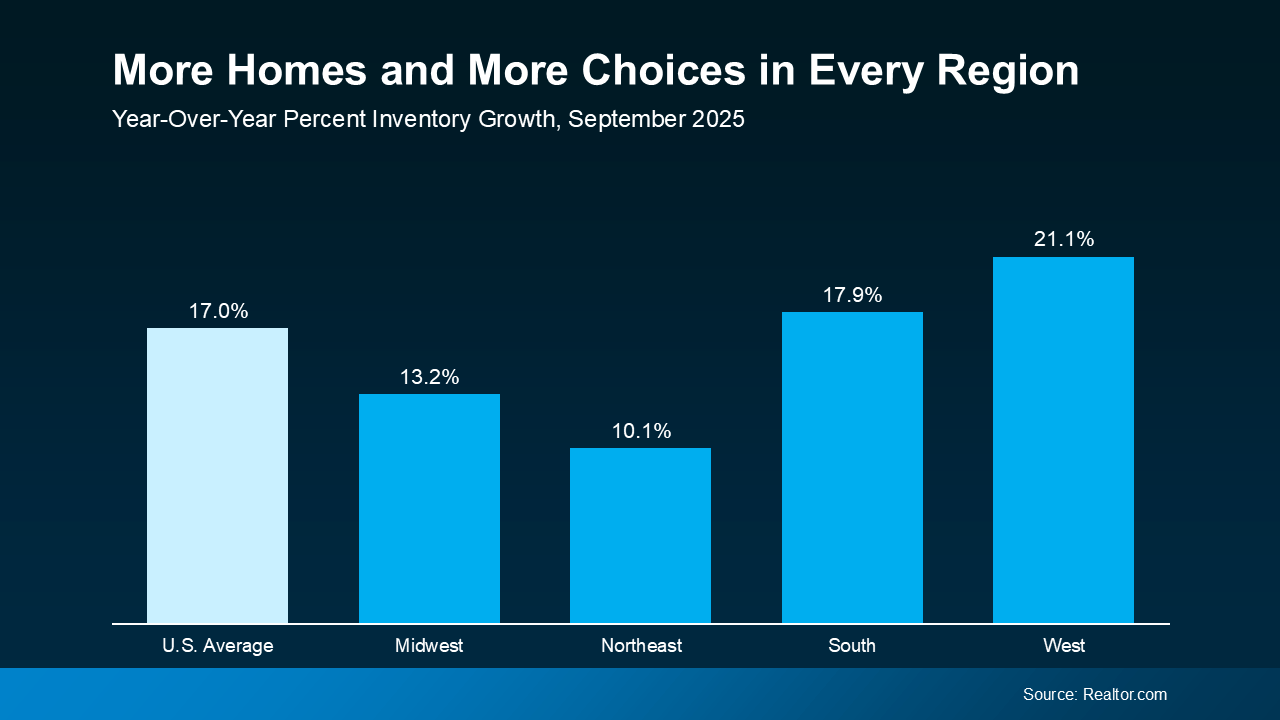 That translates to more homes to choose from, whether you’re looking for a bigger backyard, a shorter commute, or finally ditching your rental.
But not all markets are the same…
When you compare current inventory growth to pre-pandemic norms (2017–2019), the picture changes a bit, depending on where you are (see graph below):
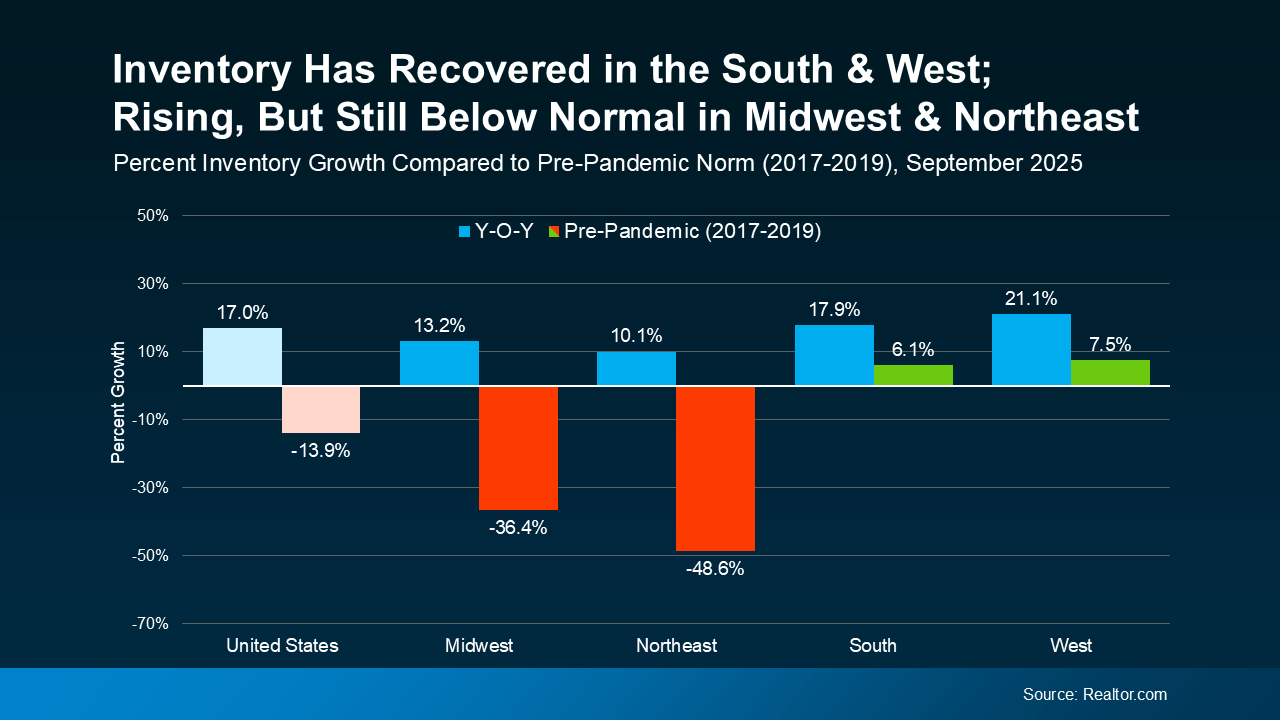 The green bars show where inventory has fully recovered (and even grown above pre-pandemic levels) in the South and the West. Supply, however, is still tighter in the Northeast and Midwest, as shown in the red bars, where inventory is still below normal.
And here’s why that’s still a win everywhere.
When you step back and look at the bigger picture, with inventory up in every region, that means more choices everywhere, even if some areas have more homes for sale than others.
And with fewer buyers in the market and more homes for sale, sellers are willing to negotiate to get a deal done.
All of that adds up to a win for today’s buyers.
And it’s also why working with a local expert really makes a difference. What’s happening in your zip code or neighborhood might look different than the national or regional trend. But the overall takeaway is clear: with more homes on the market, buyers have more leverage than they did a year or more ago.
So, if you stepped away from your search because things felt too competitive, too pricey, you were worried about finding a home, or it was all just too much to process, this could be your moment to take another look.
And if you’re not quite ready to go all in, that’s okay too. You can start by planning ahead. That means working with a trusted agent who can help you break down your budget, narrow your search, and make sure you’re prepped and ready when the right home hits the market.
Bottom Line
Want to know what’s happening in our area? Let’s have a conversation so you can get a custom overview of what’s available right now and learn how to be ready when the timing is right for you.
Because this isn’t 2021.
This isn’t even 2023 or 2024.
This is a new market – and you might be surprised by what you find.
Thank Your For Reading
Denise Olivares-Molina

by Denise Olivares-Molina | Sep 23, 2025 | Advice for Buyers, Advice for Homeowners, Affordability, Buying A Home, Costs, For Buyers, Weekly

For the past couple of years, it’s been tough for a lot of homebuyers to make the numbers work. Home prices shot up. Mortgage rates too. And a number of people hit pause because it just didn’t feel possible. Maybe you were one of them.
But there’s some encouraging news. If you’ve been waiting for a better time to jump back in, affordability may finally be showing signs of improvement this fall.
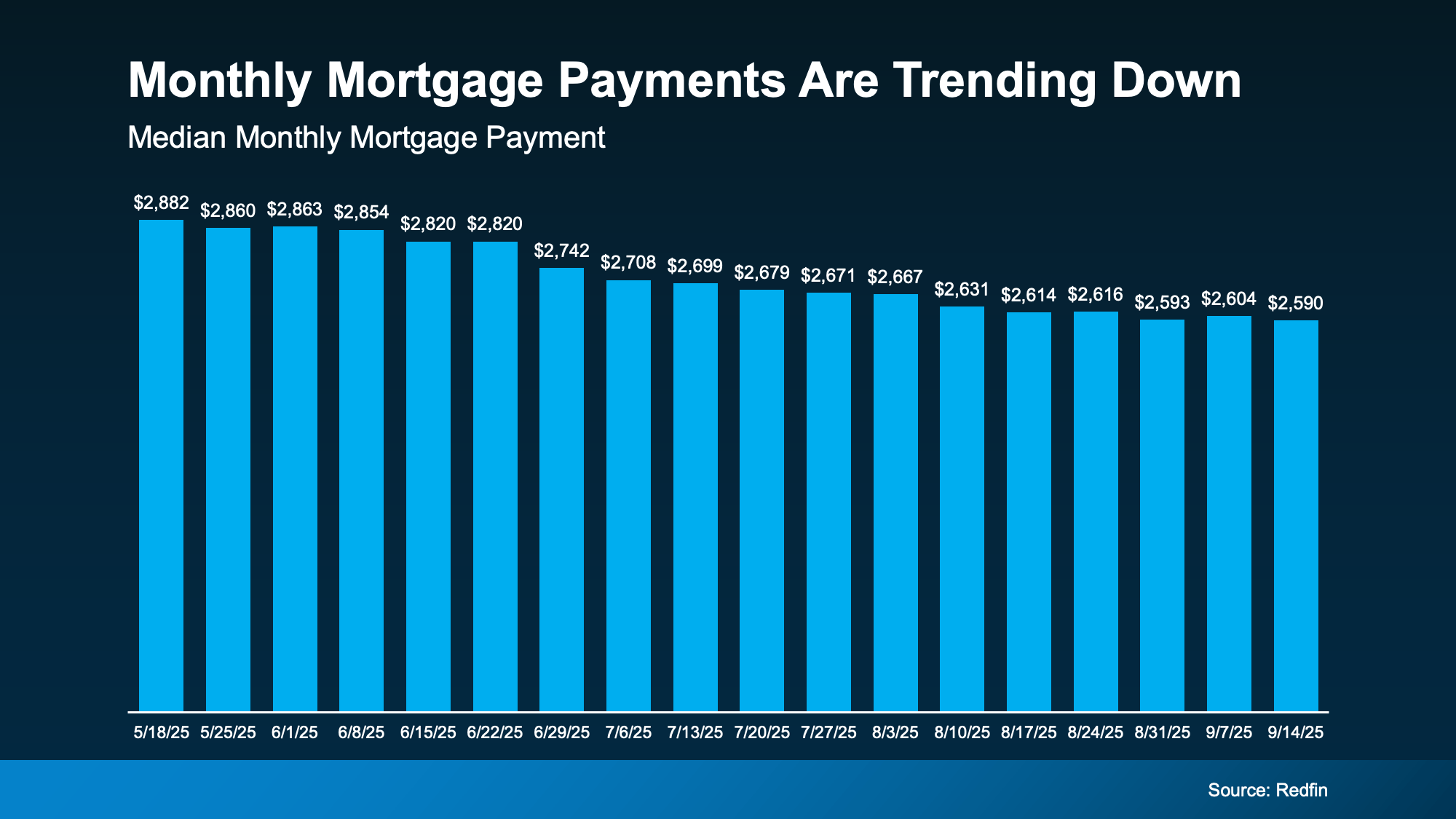
The latest data from Redfin shows the typical monthly mortgage payment has been coming down, and is now about $290 lower than it was just a few months ago (see graph below):
 And here’s why this is happening. The cost of buying a home really comes down to three things:
- Mortgage rates
- Home prices
- Your wages
Right now, all three are finally moving in a better direction for you. While that doesn’t mean it’s suddenly easy to buy at today’s rates and prices, it does mean it’s not as challenging.
1. Mortgage Rates
Mortgage rates have come down compared to earlier this year. In May, they were roughly 7%. And now, they’re closer to 6.3% (see graph below):
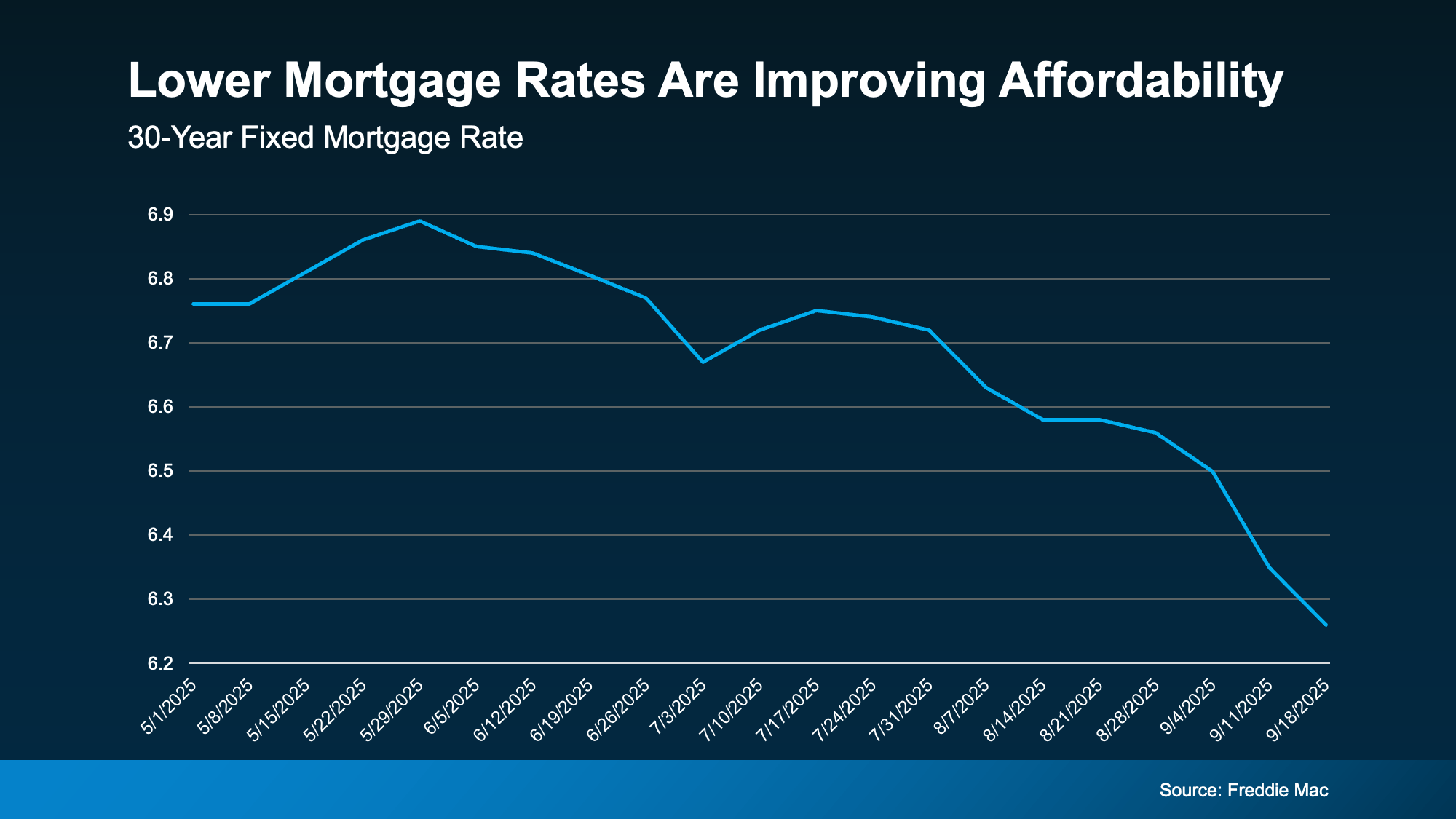 That may not sound like a big deal, but it does matter. Even small changes in rates can make a difference in your future monthly payment. Compared to when rates were 7%, if you take out an average $400K mortgage now at 6.3%, it’ll cost about $190 less a month based on just rates alone.
And for some people, that’s been enough to make buying a home possible again. As Joel Kan, VP and Deputy Chief Economist at the Mortgage Bankers Association (MBA), explained on September 10th:
“The downward rate movement spurred the strongest week of borrower demand since 2022 . . . Purchase applications increased to the highest level since July and continued to run more than 20 percent ahead of last year’s pace.”
2. Home Prices
After several years of prices rising very rapidly, price growth has finally slowed. As Odeta Kushi, Deputy Chief Economist at First American, puts it:
“National home price growth remains positive, but muted — low single digits — and we expect this trend to continue in the second half of the year.”
For buyers, that’s actually a big relief. That moderation makes it easier to plan your budget. And in some markets, prices have even dipped slightly. If you’re in one of the markets, you may be able to find something that’s more affordable than you’d expect.
3. Wages
According to the Bureau of Labor Statistics (BLS), wages are up near 4% annually. Lawrence Yun, Chief Economist at NAR, explains why that number is so important right now:
“Wage growth is now comfortably outpacing home price growth, and buyers have more choices.”
In other words, the typical paycheck is rising faster than home prices right now, which helps make buying a little more affordable. Now, it’s not a big difference, but in a market like this, every bit counts.
What This Means for You
Lower rates, slower price growth, and stronger wages might be enough to make the numbers finally work for you this fall.
While affordability is still tight, it’s a little easier on your wallet to buy now than it was just few months ago. Remember, data from Redfin shows the typical monthly mortgage payment is already around $290 lower than it was earlier this year.
Bottom Line
Have you been wondering if it’s worth taking another look at buying?
Let’s run the numbers together. We can go over your budget, see what’s changed, and figure out if this fall is the time to turn window-shopping into key-turning.
Thank You For Reading
Denise Olivares-Molina
